April 13, 2026
Deciding whether to repair your roof or invest in a full roof replacement isn’t always straightforward—it involves balancing cost, timing, long-term value, and the level of disruption you’re willing to manage. While a quick fix may seem appealing, it’s important to consider whether it will truly hold up or if a more permanent solution makes better sense. Beyond basic protection, your roof impacts energy efficiency, curb appeal, and structural integrity, so the decision should be made with a clear understanding of both immediate needs and long-term outcomes.
Identifying Minor Damage and Repairing Strategically
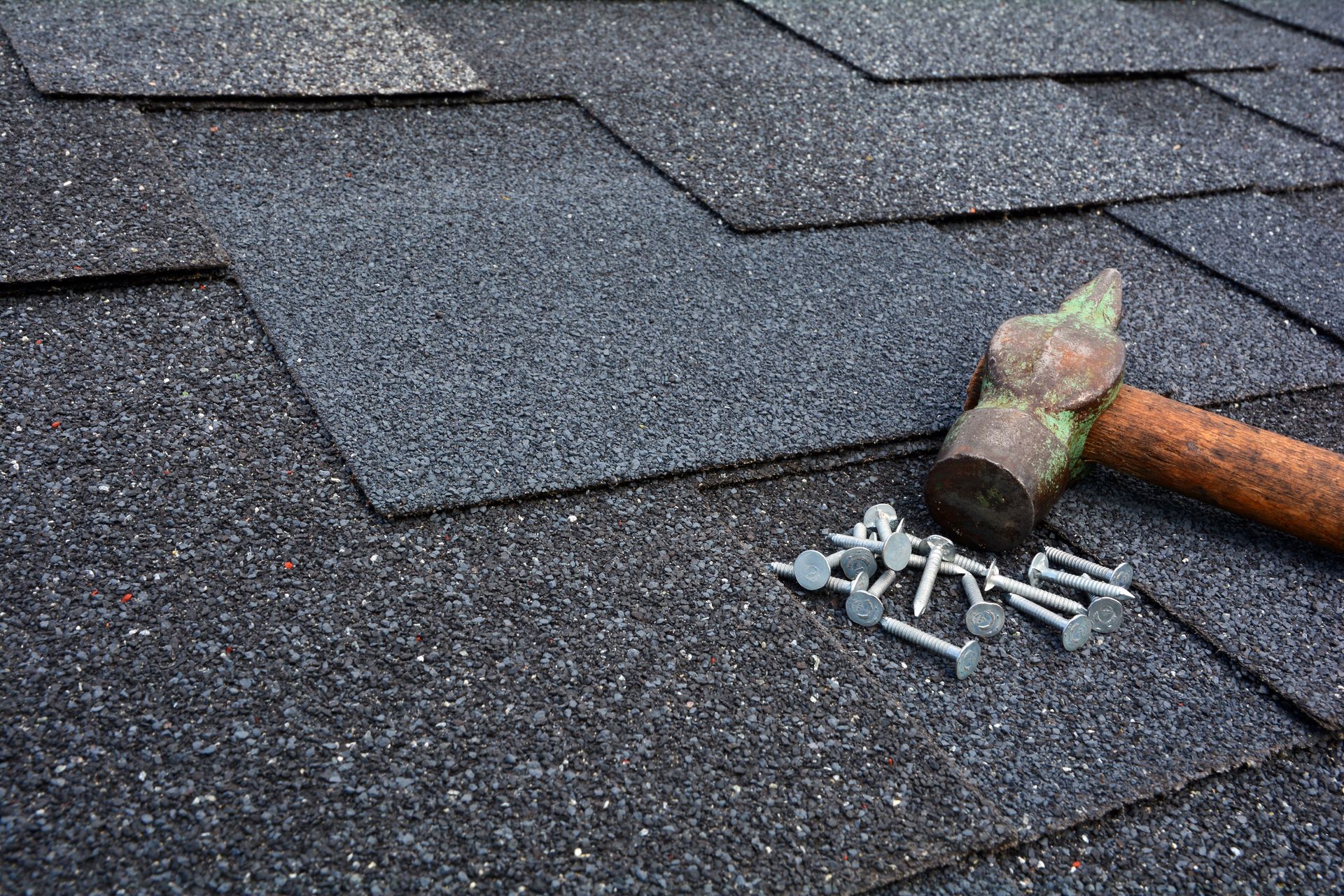
Minor roofing issues tend to show up in ways that are easy to overlook at first. A few missing shingles, a small leak, or slight wear around flashing can seem manageable—and in many cases, they are. Targeted repairs can extend the life of your roof without the immediate need for a full roof replacement, especially if the rest of the system is still in solid condition.
The key is timing. Addressing these problems early keeps them from spreading into more expensive damage. A small leak, for example, can quickly turn into interior water damage if ignored, leading to drywall repairs, mold concerns, and higher costs overall. Staying proactive with maintenance helps you delay a roof replacement while still protecting your home effectively.
That said, minor issues don’t stay minor forever. If you find yourself calling for repairs more frequently, it may be a signal that your roof is starting to decline more broadly. At that point, continuing to patch problems may cost more over time than investing in a roof replacement that resets the system entirely.
Recognizing Major Issues and Considering Replacing Fully
Some roofing problems are harder to ignore. Sagging sections, widespread shingle deterioration, and recurring leaks across multiple areas typically indicate deeper structural concerns. In these situations, repairs often become temporary fixes rather than real solutions, and a roof replacement starts to make more practical sense.
When damage is widespread, patching individual areas doesn’t address the underlying issue. Instead, it can create a cycle of ongoing repairs that add up quickly. This is where stepping back and looking at the full picture matters. A roof replacement may have a higher upfront cost, but it eliminates recurring problems and restores the integrity of your home.
There’s also the factor of age. Industry insights frequently point out that once a roof reaches a certain point, repairs become less effective. In fact, according to Today’s Homeowner, roofs that have been in place for around two decades tend to require frequent fixes, which makes a full roof replacement the more practical long-term move. At that stage, materials naturally begin to break down, making consistent performance harder to maintain.
Watching for Warning Signs and Acting Early
Not every roofing issue announces itself in obvious ways. Sometimes the signs are subtle, showing up as higher energy bills, faint ceiling stains, or slightly curled shingles. These small indicators can point to larger inefficiencies or hidden damage that shouldn’t be ignored.
Consistent monitoring makes a difference. Walking around your property, checking gutters, and paying attention to interior changes can give you early clues about your roof’s condition. Acting on these signs early can keep repair costs manageable and delay the need for a full roof replacement.
However, waiting too long tends to limit your options. When small warning signs are ignored, they often evolve into more serious problems that leave you with fewer choices. Instead of deciding between repair and roof replacement, you may find yourself forced into a replacement due to extensive damage. Staying ahead of the issue gives you more control over timing and budget.
Consulting Professionals and Evaluating Accurately
Getting a professional assessment can quickly change how you see your roof’s condition. What looks like a minor issue from the ground may reveal deeper concerns during a full inspection. Experienced contractors evaluate not just visible damage, but also the underlying structure, ventilation, and overall system performance.
This kind of evaluation helps clarify whether repairs will actually solve the problem or simply delay the inevitable. It also gives you a realistic view of costs, timelines, and expected outcomes. In many cases, a professional can outline whether a roof replacement is necessary now or if repairs can safely extend the life of your current system.
Another advantage is planning. A detailed inspection provides a roadmap, allowing you to prepare financially and logistically. Instead of reacting to emergencies, you can schedule work on your terms. That level of control is often what separates a stressful experience from a manageable one.
Comparing Repair Costs and Replacement Value
Cost is usually the biggest factor in this decision, but it’s important to look beyond the initial number. Repairs are typically less expensive upfront, making them appealing when budgets are tight. Fixing a localized issue can often be completed quickly and without major disruption.
However, repeated repairs can add up faster than expected. If your roof requires ongoing attention, those smaller expenses may eventually exceed the cost of a full roof replacement. This is especially true when repairs start affecting multiple areas or require frequent service calls.
A roof replacement, while more expensive initially, often delivers better long-term value. It reduces maintenance costs, improves energy efficiency, and can even increase your home’s resale value. When viewed over a longer timeline, the investment tends to make more financial sense for roofs nearing the end of their lifespan.
Planning Timing and Managing the Process
Timing plays a bigger role than many homeowners expect. Repairs can often be completed within a day or two, depending on the issue. This makes them convenient and less disruptive, especially if you’re dealing with a busy schedule.
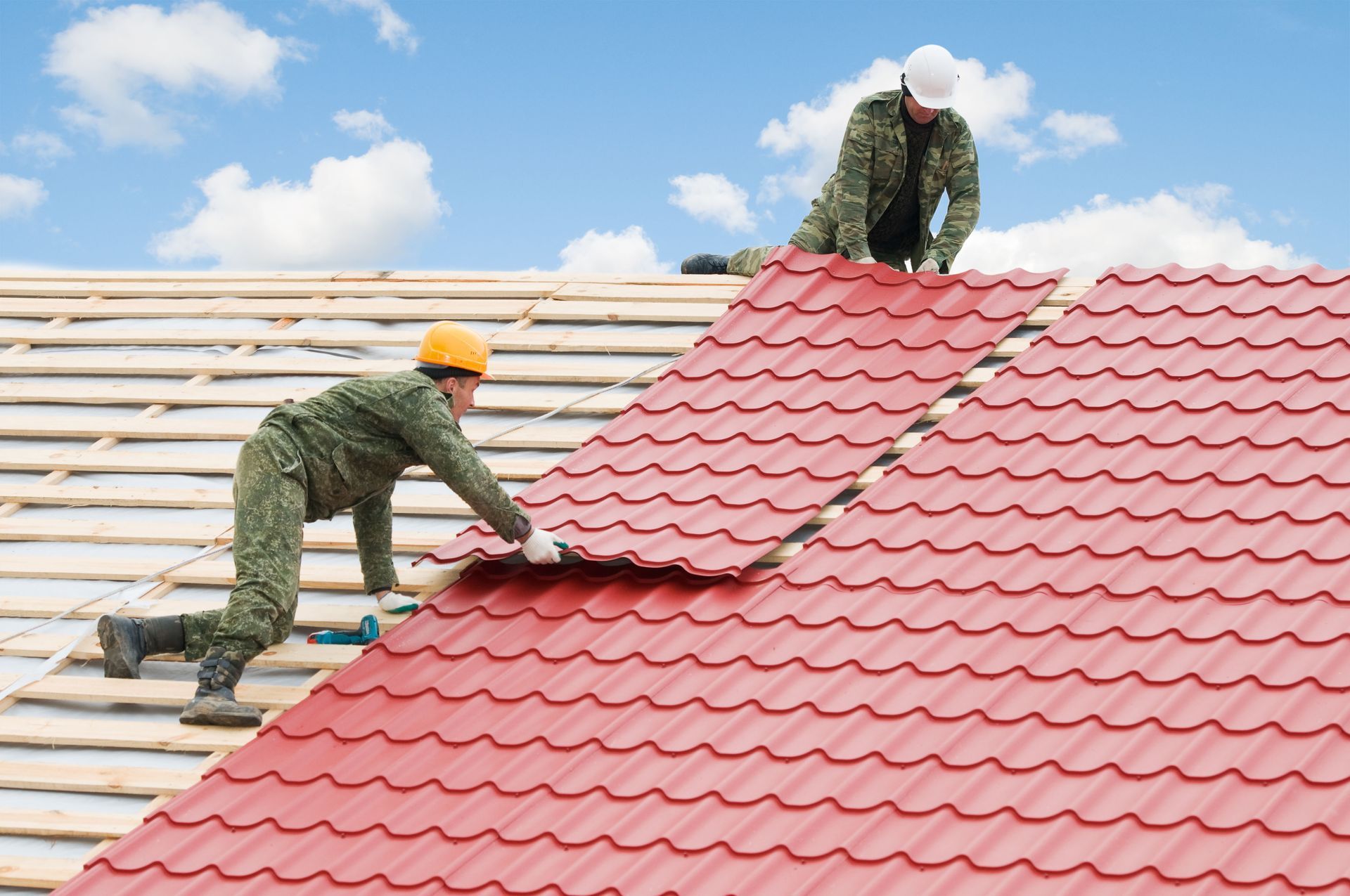
A roof replacement, on the other hand, requires more planning. From material selection to scheduling and weather considerations, the process can take several days or longer. While that may seem like a drawback, it also provides an opportunity to upgrade materials and improve overall performance.
Seasonality matters as well. Warmer, drier months tend to be ideal for roofing projects, but they’re also the busiest times for contractors. Planning ahead ensures you can secure a timeline that works for you without unnecessary delays. Whether you’re repairing or moving forward with a roof replacement, preparation makes the process smoother.
Exploring Financing and Insurance Options
Financial planning doesn’t stop at choosing between repair and roof replacement. Understanding your financing options can make a significant difference in how manageable the project feels. Home equity loans, personal loans, and contractor financing programs all offer different ways to spread out costs.
Insurance may also play a role, depending on the cause of the damage. Storm-related issues are often covered, while general wear and tear usually is not. Reviewing your policy carefully helps set realistic expectations about what expenses you’ll need to cover out of pocket.
For homeowners considering a roof replacement, it’s also worth exploring energy-efficiency incentives or rebates. Some programs offer financial benefits for upgrading to modern roofing systems. These opportunities can offset costs and make a larger investment more accessible.
Choosing between repairing your roof and moving forward with a full roof replacement comes down to its current condition, your budget, and your long-term plans. Minor issues can often be handled with targeted fixes, but ongoing problems, age, and widespread damage typically make a roof replacement the more practical choice. Staying proactive with regular inspections and early action helps you avoid costly surprises and maintain control over the process. Whether you’re extending your roof’s life with repairs or investing in a roof replacement, the goal is to protect your home and preserve its value—if you’re unsure which route to take, reach out to Mid City Roofing for expert guidance.