August 28, 2026
The resurgence of metal roofing in recent years is notable in both residential and commercial settings. Historically, metal roofs were predominantly used in industrial applications, but modern advancements have brought them back to the forefront for various building types. This trend is largely attributed to the numerous advantages offered, including durability, energy efficiency, and aesthetic appeal. As homeowners and businesses become increasingly concerned with sustainability, metal roofing presents a compelling alternative to traditional materials.
Durability and Longevity
Weather Resistance
Metal roofs are renowned for their exceptional performance in adverse weather conditions. Unlike traditional asphalt shingles, they can withstand strong winds, heavy snow, and hail without significant damage. Their weather-resistant nature is due to the inherent strength of metals such as steel, aluminum, and copper, which do not absorb water or allow for penetration. Consequently, these roofs reduce the risk of leaks and moisture damage that can plague other roofing materials.
Additionally, metal roofing materials are engineered to be non-combustible, providing superior fire resistance. This benefit not only ensures the safety of occupants but also can lead to lower insurance premiums. By resisting the spread of fire, these systems provide an added layer of security for both residential and commercial properties. Their ability to reflect UV rays further enhances their weather performance, preventing premature aging and degradation.
According to This Old House, metal roofing is the second-most common material for both residential and commercial roofing. This widespread usage attests to its proven durability and longevity over time. When compared to traditional materials, these roofs can last up to 50 years or more with proper maintenance, far surpassing the typical lifespan of asphalt shingles. This extended lifespan significantly reduces the need for frequent replacements, ultimately offering cost savings in the long run.
Lifespan and Maintenance
The lifespan of a metal roof is one of its most appealing features, often lasting two to three times longer than traditional roofing solutions. While asphalt shingles typically require replacement every 15 to 20 years, a well-maintained metal roof can endure for up to half a century or longer. This durability not only provides peace of mind but also contributes to cost savings by reducing the frequency and expense of roof replacements. Many manufacturers offer extensive warranties that can cover up to 50 years, further underscoring their confidence in the product's longevity.
Furthermore, the resistance of these systems to common issues such as mold, mildew, and insect infestation contributes to their extended lifespan. Unlike materials that can deteriorate due to organic growth or pest damage, metal remains largely impervious to these threats. With minimal maintenance requirements, these roofs maintain their aesthetic and functional integrity over decades. Regular inspections to clear debris and ensure structural integrity are usually sufficient to keep the roof in optimal condition.
Material Strength
Material strength is a critical factor in the selection of any roofing material, and metal roofs excel in this category. The tensile strength of metals such as steel and aluminum enables them to withstand physical impacts such as falling debris or heavy branches without sustaining damage. This property is particularly beneficial in regions prone to storms or high winds, where the risk of flying objects is elevated. Unlike other materials that may crack or need replacement after impact, metal can effectively absorb and distribute stress.
Moreover, these roofs are designed to handle substantial weight, ensuring they can support additional loads such as solar panels or rooftop installations. This strength does not come at the cost of flexibility; metal can be fabricated to meet specific structural needs without compromising its integrity. The ability to withstand significant loads means that these systems provide a versatile platform for modern energy-efficient home improvements. After installation, the continued strength of the metal ensures that the roof can adapt to future architectural or technological advancements.
Energy Efficiency
Reflectivity and Heat Absorption
Metal roofing contributes significantly to energy efficiency through its reflective capabilities and reduced heat absorption. These roofs are engineered to reflect a substantial portion of solar radiation, minimizing the heat that penetrates the building envelope. This reflectivity means that during hot weather, homes and businesses can maintain cooler indoor temperatures without over-reliance on air conditioning systems. Lower cooling demands translate directly to reduced energy consumption and lower utility bills.
This ability to manage heat is especially beneficial in areas with high solar exposure, where temperature regulation becomes a critical concern. Traditional roofing materials often absorb and retain heat, contributing to increased indoor temperatures and overcrowded HVAC systems. In contrast, metal roofs support more consistent temperature control throughout the year, alleviating the burden on cooling systems. This effect is amplified with coatings that further enhance solar reflectivity, boosting the energy-saving potential.
Insulation and Coating Options
The compatibility of these roofs with insulation materials plays a crucial role in enhancing a building's thermal efficiency. Insulation helps to reduce heat transfer between the interior and exterior of a building, and metal surfaces can accommodate diverse insulation types effectively. Pairing reflective surfaces with proper insulation creates a formidable barrier against external temperature fluctuations. As a result, structures benefit from heightened energy savings, comfort, and control over indoor climate conditions year-round.
The environmental credentials of these roofs are further enhanced through the use of eco-friendly coating options. These coatings are applied to the metal surface to improve durability and energy efficiency while reducing environmental impact. Reflective coatings can be utilized to enhance the solar reflective properties of the roof, reducing the amount of heat absorbed by the building. Additionally, low-VOC and water-based coatings have become popular for their reduced environmental footprint compared to traditional solvent-based options.
Aesthetic Versatility
Diverse Style Options
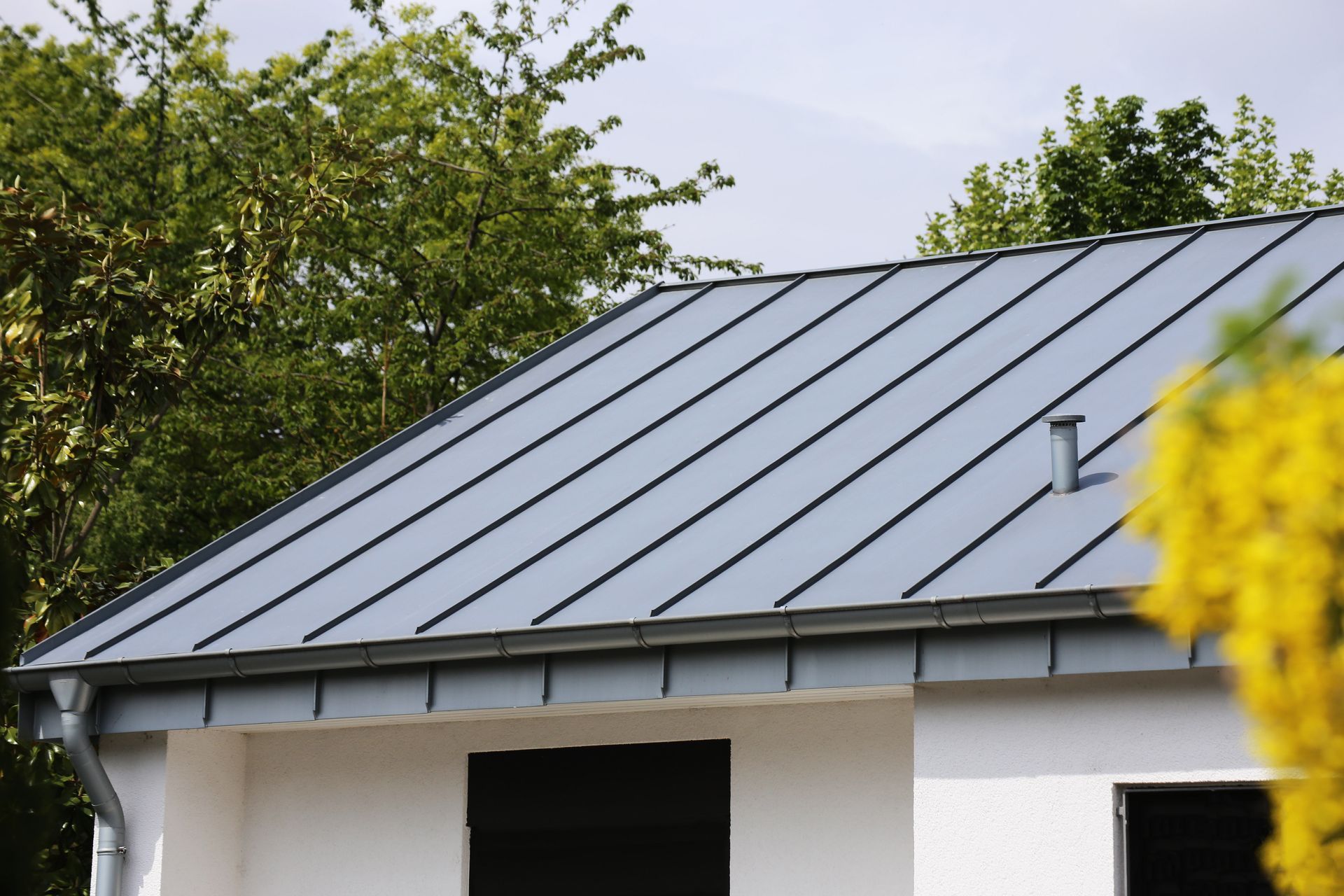
Metal roofing is celebrated for its aesthetic versatility, offering homeowners and businesses a wide range of style options to complement any architectural design. Modern systems come in various colors, textures, and shapes, allowing for creative customization to fit different visual preferences. Whether the goal is to achieve a contemporary look with sleek lines or mimic traditional roofing materials through textured finishes, there are numerous solutions available. These adaptable styles make these roofs compatible with various building types, from residential homes to expansive commercial properties.
The available style options are supported by technology advancements that allow for precise color matching and durable finishes. These roofs can be powder-coated or painted to achieve desired appearances that also withstand environmental factors. This flexibility in aesthetics provides the opportunity to harmonize the roof with the overall building facade, creating cohesive and visually appealing projects. As architectural trends evolve, these systems remain responsive, empowering owners to achieve contemporary or classic looks.
Emulating Traditional Materials
The capacity of metal roofs to emulate traditional roofing materials such as wood, clay, or slate is an attractive feature for property owners seeking classic appearances. Advances in manufacturing techniques enable metal panels to replicate the textures and colors of these traditional materials while providing the enhanced performance benefits of metal. As a result, buildings can enjoy the aesthetic appeal of traditional roofs with the added advantages of durability, low maintenance, and energy efficiency. This adaptability ensures that homeowners do not have to compromise on style or innovation when selecting roofing systems.
Technological advancements have also expanded the range of finishes available, allowing these roofs to seamlessly replicate the visual qualities of other materials while maintaining their structural benefits. By utilizing proprietary coating technology, manufacturers can ensure that the aesthetic finish remains vibrant and protected against weathering. This marriage of classic design and modern manufacturing is a primary reason why so many people are turning to metal roofing for their property improvement projects. Investing in these systems allows for a perfect blend of style, longevity, and performance. For more information, contact Mid City Roofing.