February 11, 2026
Choosing the right roofing material is a major decision that affects your home’s appearance, performance, and long-term value. Asphalt shingles and metal roofing are two of the most popular options available, each offering distinct advantages and trade-offs. This article compares these materials across key considerations—including cost, visual appeal, durability, environmental impact, energy efficiency, and installation requirements—to help homeowners understand what sets them apart. By examining the strengths and limitations of each, you’ll be better equipped to select a roofing solution that fits your needs, style, and budget.
1. Cost Comparison
The initial cost of roofing is a significant concern for many homeowners. Asphalt shingles generally present a lower upfront cost compared to metal roofing. This is due to the abundance and simplicity of asphalt shingles, making them more affordable. Conversely, metal roofing requires a larger initial investment, attributable to its material costs and manufacturing processes. However, these costs must be weighed against other factors such as durability and longevity.
Longevity is a critical factor when considering roofing options. According to State Farm, asphalt shingles have a life expectancy of 15 to 30 years, while metal roofs can last 40 to 70 years. Although metal roofs require a higher upfront investment, their extended lifespan makes them cost-effective over the long run. This longevity provides peace of mind and less frequent replacement needs, often making metal a wise financial decision over decades. Asphalt may need multiple replacements in the span of a single metal roof's life.
Maintenance is another critical aspect when evaluating total costs. Asphalt roofs generally require lower maintenance, often needing periodic inspections and minor repairs. Metal roofs, on the other hand, are known for their minimal maintenance needs thanks to their robust construction. However, when maintenance is required, metal roofing might involve higher costs due to specialized repair needs. Nonetheless, the frequency of necessary repairs is often less with metal roofing compared to asphalt.
2. Aesthetic Appeal
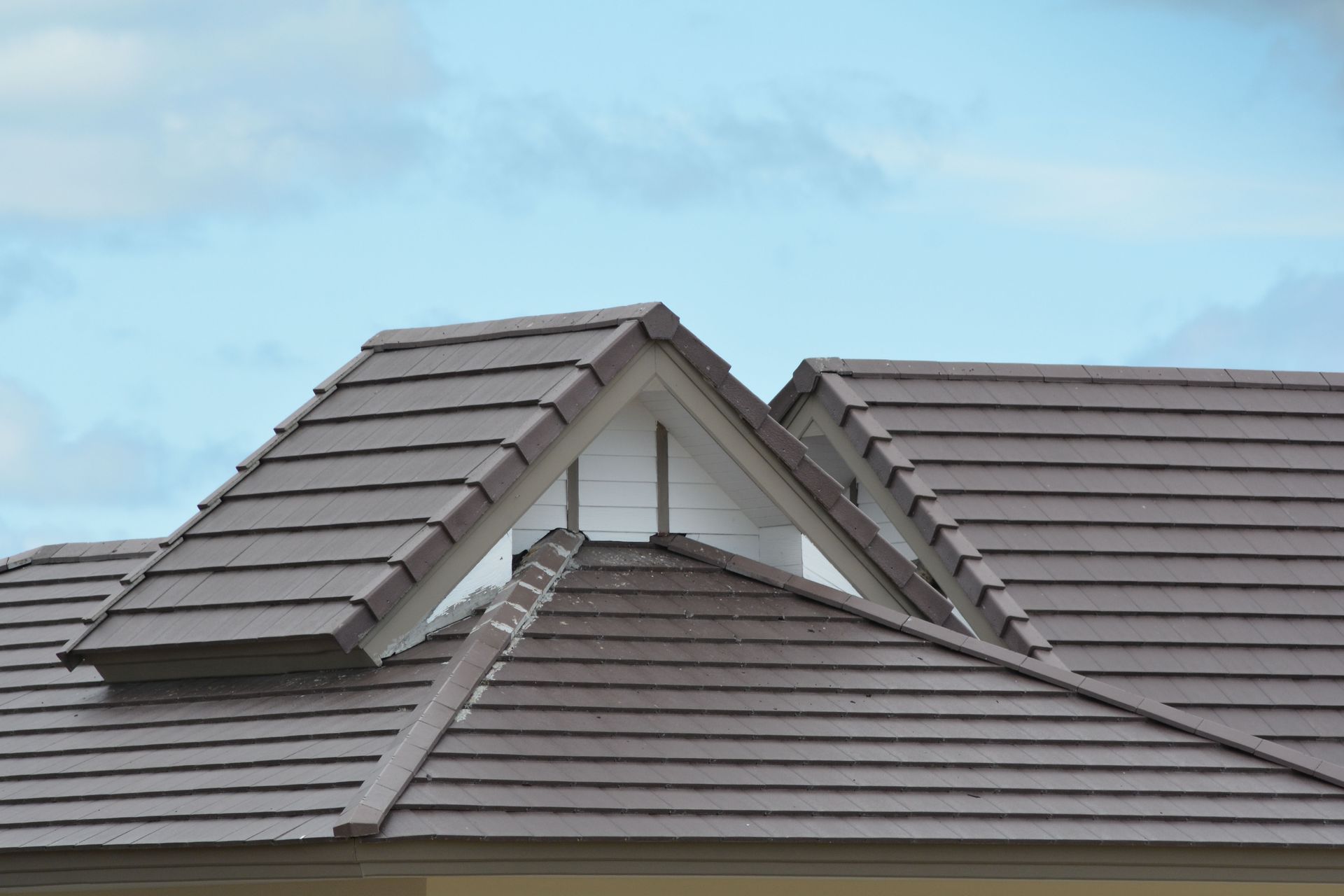
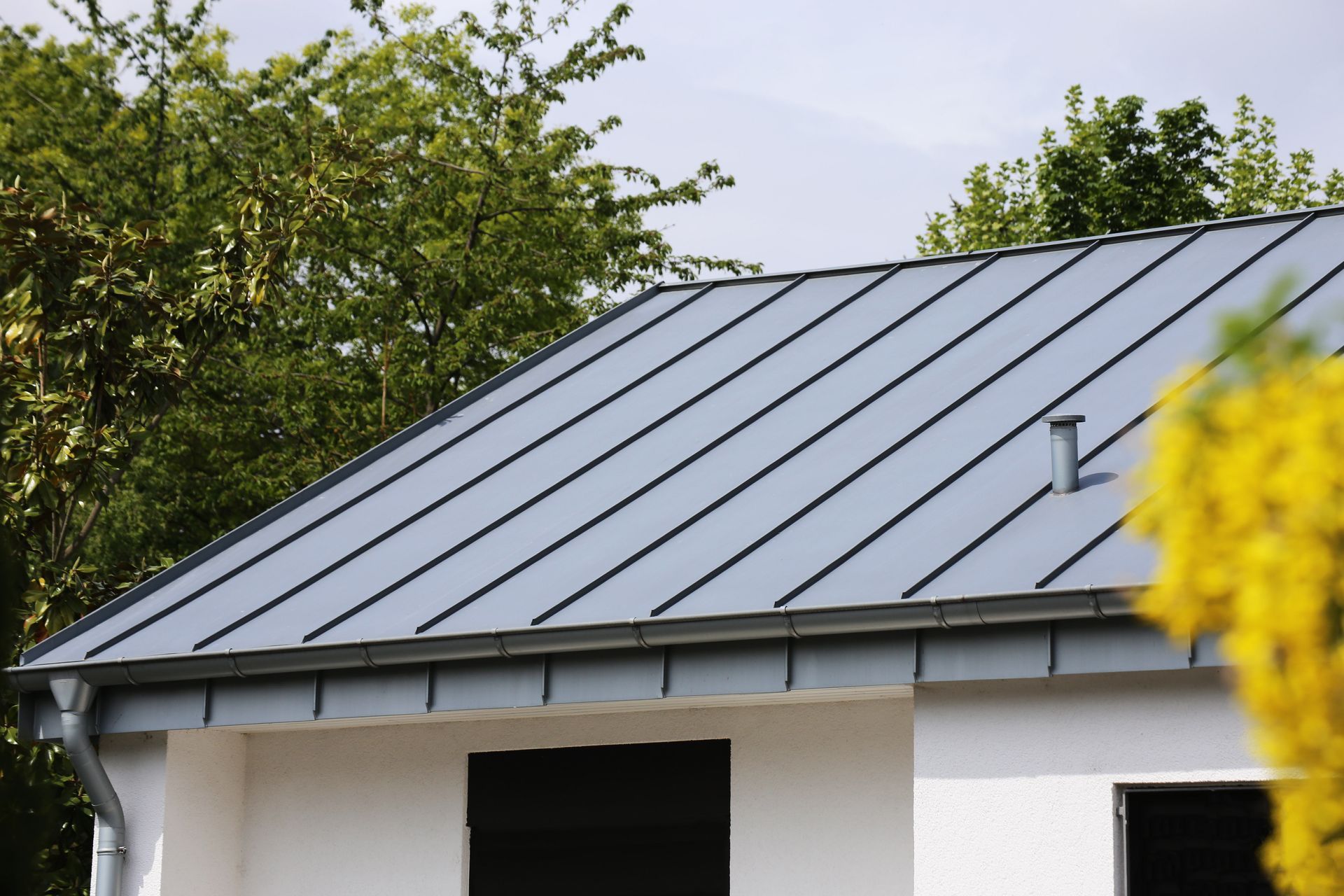
In terms of aesthetics, both asphalt and metal roofing offer diverse styles and color options. Asphalt shingles come in a variety of colors and patterns, mimicking the appearance of materials like wood or slate. This versatility allows homeowners to easily match their roof with their home’s exterior design. Metal roofing, previously seen as more industrial, now comes in sleek, modern styles with a range of finishes. Both materials allow for a high degree of customization and stylistic expression.
When considering architectural compatibility, each material has its unique strengths. Asphalt shingles seamlessly blend with traditional home designs, complementing colonial, Victorian, and cottage styles. Metal roofing, with its modern appeal, suits contemporary and minimalist architecture. The choice of roofing should align with the overall design aesthetic of the home to maintain architectural integrity. Compatibility extends beyond appearance, as proper roofing enhances the home's overall character.
The texture and feel of the roofing material add another layer to aesthetic considerations. Asphalt shingles provide a classic, granular feel that's familiar to many homeowners. Metal roofing offers a smooth or ribbed texture, often lending a sleek and polished look to the home. This difference influences the tactile and visual presence of the roof, impacting overall curb appeal. Each texture offers distinct advantages based on personal preference, contributing to the roofing's visual impact.
3. Durability and Weather Resistance
Durability under various weather conditions is paramount in selecting a roofing material. Asphalt shingles perform well in moderate climates but may struggle in extreme weather, such as high winds or hail. Metal roofs excel in weather resistance, effectively withstanding hail, snow, and high winds thanks to their robust construction. This resilience makes metal a preferred choice for regions experiencing severe weather. While both materials offer protection, metal roofing generally provides superior resistance to the elements.
Natural disasters pose significant challenges to roofing systems. Asphalt shingles can be damaged by high winds and flying debris during storms, whereas metal roofs demonstrate stronger resistance. In areas prone to wildfires, metal roofs offer increased protection against fire spread due to their non-combustible properties. While no roofing can entirely withstand all natural disasters, metal’s resilience often results in less damage and quicker recovery. This resilience underscores the long-term value of metal roofing in disaster-prone areas.
4. Environmental Impact and Sustainability
The environmental impact of roofing materials begins with their manufacturing process. Asphalt shingles involve extracting and refining petroleum, raising concerns about carbon emissions and pollution. Metal roofing, while energy-intensive to produce, often uses recycled materials, lessening its environmental footprint. The choice of roofing material affects sustainability, influencing a homeowner’s ecological commitment. Evaluating the manufacturing process offers insight into the sustainability of each roofing option.
Evaluating a material's end-of-life impact involves examining its ability to be recycled and its impact on waste management. Asphalt shingles are less recyclable, often ending up in landfills, contributing to environmental degradation. In contrast, metal roofs boast a high rate of being recycled, with many installations consisting largely of recycled materials. The ease of recycling metal contributes to a circular economy, promoting resource conservation. This attribute strengthens metal roofing's position as a sustainable choice.
Energy consumption during production plays a crucial role in sustainability analysis. Asphalt production relies heavily on fossil fuels, consuming significant energy resources. Metal roofing production, though energy-intensive, often utilizes recycled metals, reducing the net energy demand. Homeowners concerned with energy usage must weigh these factors when deciding on roofing materials. Such considerations influence the overall environmental footprint of their home renovation projects.
5. Energy Efficiency and Insulation
Insulating properties are vital in judging a roof's energy efficiency. Asphalt shingles offer moderate insulation, as their material does not inherently provide high thermal resistance. Metal roofs excel in reflecting heat away from the building, contributing to enhanced energy efficiency. Homeowners may find metal roofs particularly beneficial in reducing energy costs in warmer climates. Both options necessitate additional insulation to optimize their thermal performance.
Heat reflection and absorption rates significantly affect indoor thermal comfort. Metal roofs' reflective properties help deflect sunlight, maintaining cooler indoor temperatures. Asphalt shingles, however, tend to absorb more heat, potentially raising cooling expenses during warmer months. While both materials offer advantages, metal’s reflective nature more effectively mitigates heat buildup. This heat management underscores metal roofing’s energy efficiency benefits.
Indoor climate control is directly impacted by roofing material. Metal roofs contribute to a stable indoor climate by reducing heat gain and loss. Asphalt shingles may necessitate more active climate control measures, influencing HVAC load and energy bills. Optimal indoor climate control enhances comfort, emphasizing the need for efficient roofing choices. Homeowners should assess climate control impacts when selecting roofing materials to align with their energy efficiency goals.
6. Installation Process and Challenges
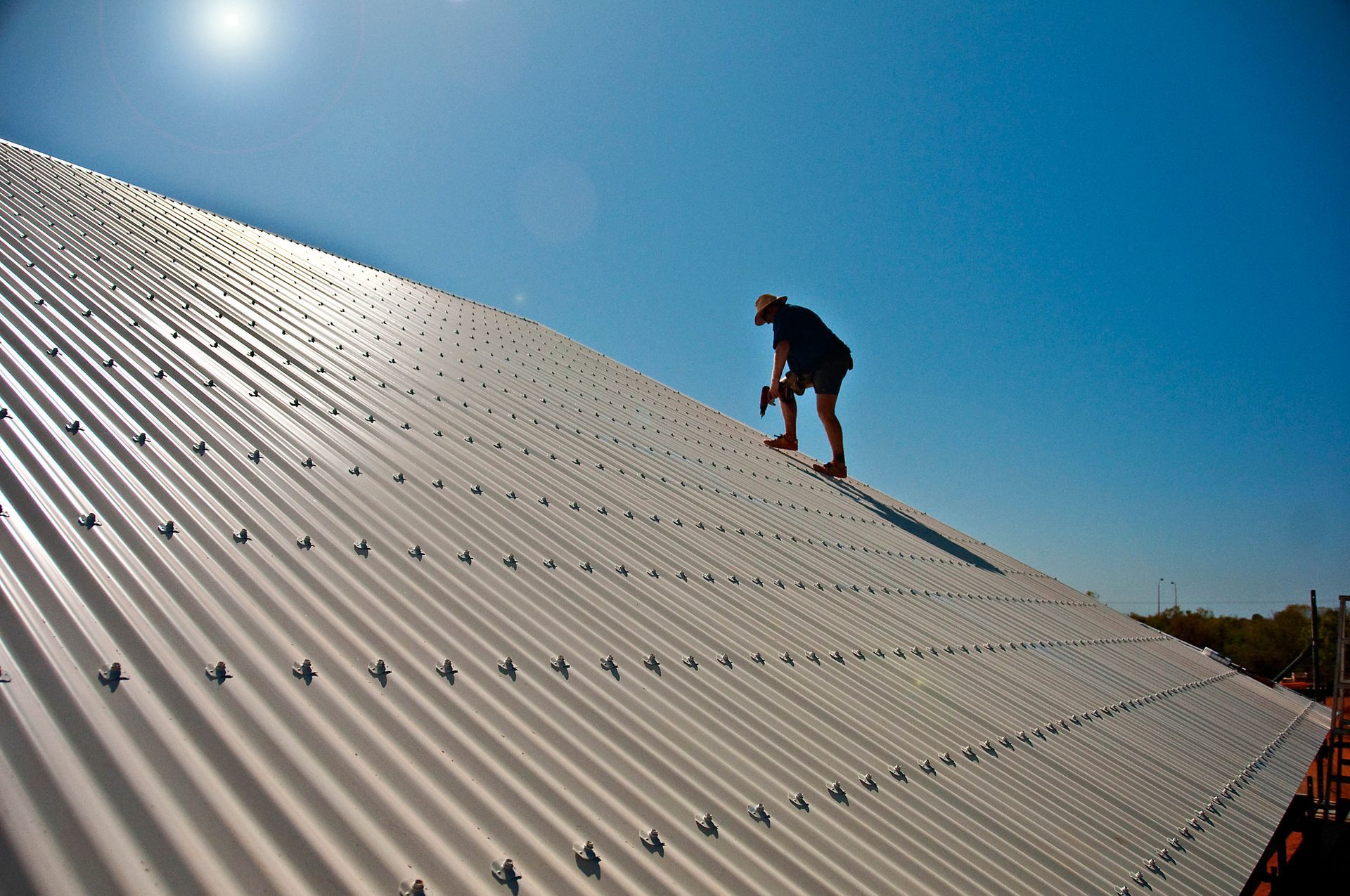
Installation complexity is a crucial factor affecting roofing projects. Asphalt shingles are simpler to install, making them a more accessible option for many contractors. Metal roofing, while offering long-term benefits, requires special skills and tools, complicating the installation process. This complexity can extend installation timelines and influence overall project costs. Understanding installation complexity helps homeowners anticipate potential challenges and costs.
The timeframe for roof installation varies between asphalt and metal materials. Asphalt shingles generally allow for quicker installation, reducing the impact on homeowners' schedules. Conversely, the precision required for metal roofing installations can extend project timelines. Considerations regarding installation time are important for managing expectations. Homeowners must balance the timeframe against the long-term advantages each material offers.
Both asphalt and metal roofing present compelling benefits depending on a homeowner’s priorities. Asphalt shingles stand out for their affordability, ease of installation, and classic aesthetic appeal, making them a practical choice for many households. Metal roofing, while requiring a higher initial investment, offers exceptional longevity, durability, and sustainability that can deliver long-term value. Ultimately, the best roofing option depends on factors such as climate, architectural style, maintenance expectations, and budget. By carefully weighing these considerations, homeowners can confidently choose a roofing material that supports both their immediate needs and future goals. Reach out to Mid City Roofing to learn more about our services today.