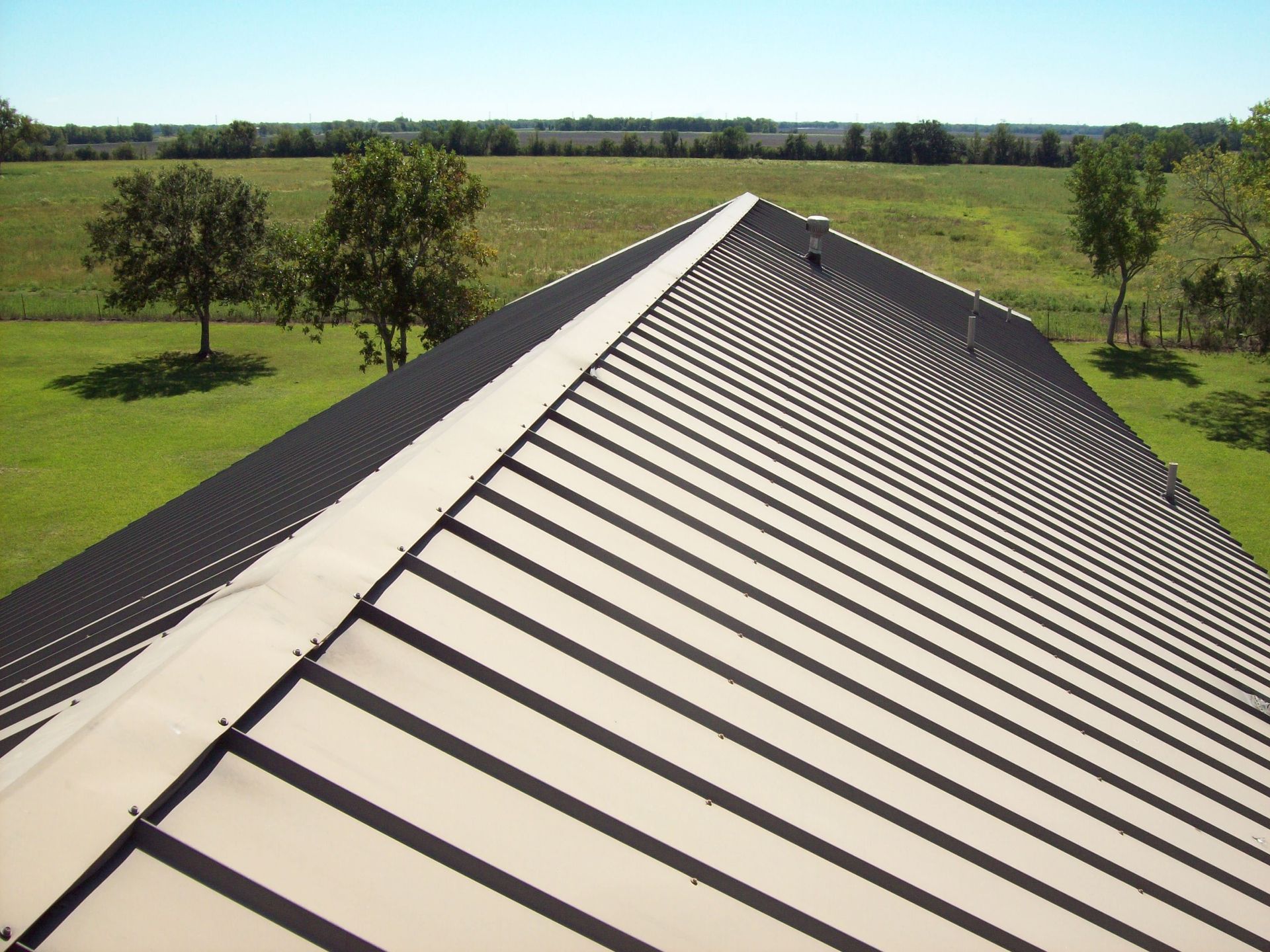
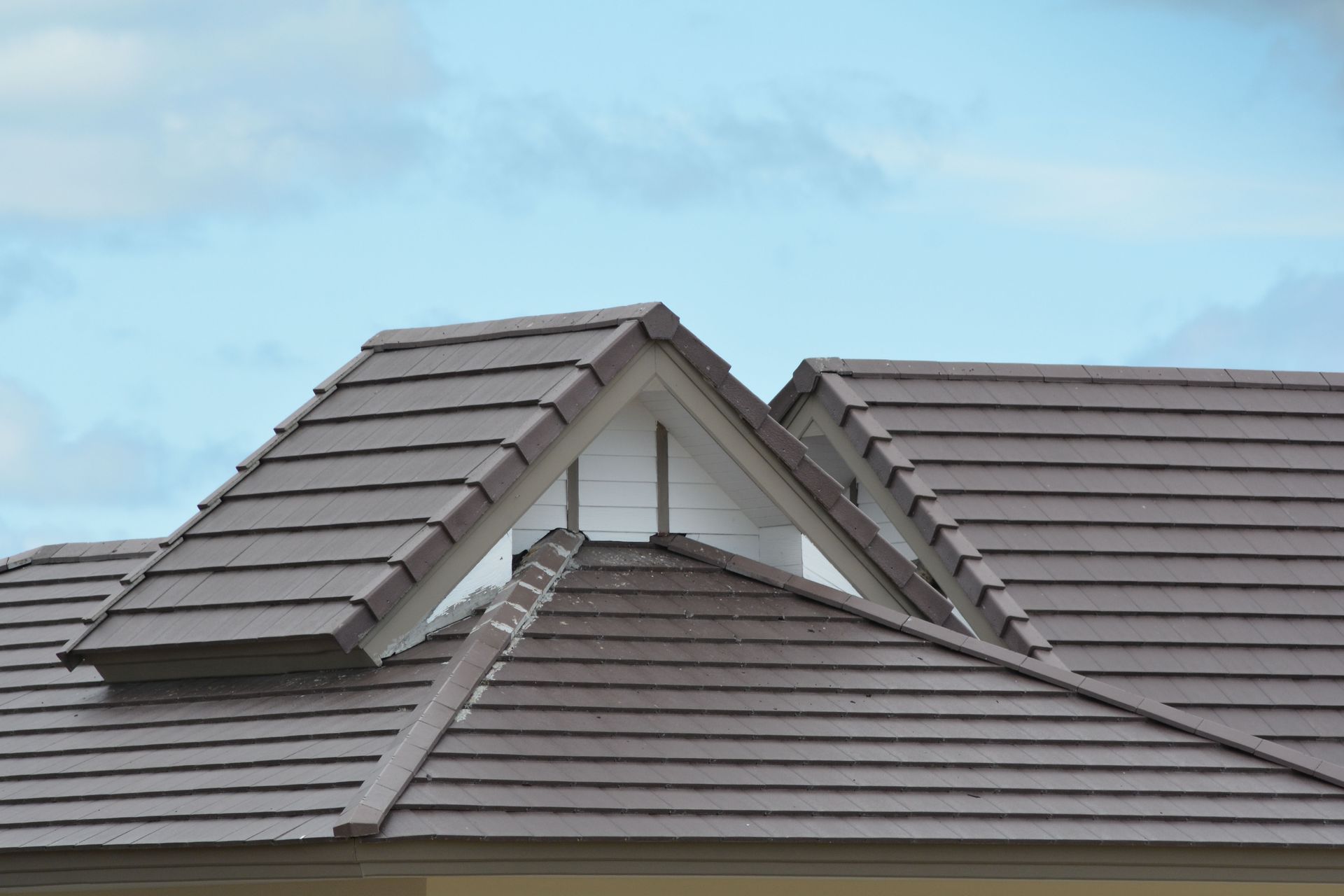
Choosing the right roofing material is one of the most important decisions a homeowner or property owner can make. A roof protects the structure beneath it, contributes to curb appeal, and plays a major role in energy efficiency and long-term maintenance costs. In recent years, metal roofing has gained increased attention as an alternative to traditional materials, prompting many people to ask whether it is the right option for their specific needs. Understanding the advantages, limitations, and practical considerations of this roofing type can help clarify whether it aligns with your priorities, budget, and local climate.
What Are the Benefits of Metal Roofing?
One of the most frequently cited advantages of metal roofing is its exceptional longevity. While many traditional roofing materials may need replacement after 15 to 25 years, a properly installed metal roof can last 40 to 70 years or more. This durability makes it appealing to property owners who prefer a long-term investment rather than periodic replacements.
Energy efficiency is another key benefit. Metal surfaces reflect a significant portion of solar heat, which can help reduce cooling costs during warmer months. Many modern systems are also designed with reflective coatings that enhance this effect, making metal roofing particularly attractive in regions with hot summers. Over time, these energy savings can help offset the higher upfront cost.
Environmental considerations also play a role. Metal roofs are often manufactured using recycled materials and are fully recyclable at the end of their lifespan. Unlike petroleum-based shingles, they do not contribute as much waste to landfills when replaced. For those seeking a more sustainable building solution, metal roofing offers clear environmental advantages.
How Does Metal Roofing Compare to Traditional Roofing Materials?
When compared to asphalt shingles, tile, or wood shakes, metal roofing stands apart in several important ways. Cost is often the first factor people consider. While metal typically costs more initially than asphalt shingles, it often proves more economical over time due to its durability, lower replacement frequency, and minimal long-term maintenance needs. Asphalt shingles remain popular largely because of their affordability and ease of installation, which explains their continued dominance in the residential market. However, homeowners who prioritize longevity and energy efficiency are increasingly looking beyond short-term costs when making their roofing decisions.
According to Mordor Intelligence, asphalt shingles account for roughly 80% of the residential roofing market, while metal has grown to cover about 17–22%. This growth reflects changing homeowner priorities, with more people willing to invest upfront for long-term performance, energy savings, and a reduced environmental footprint. Metal roofing’s increasing presence in the market also signals broader acceptance of alternative materials that offer both functional and aesthetic advantages.
Durability is another area where metal roofing excels. Unlike asphalt or wood, metal resists cracking, shrinking, and erosion, which are common issues with traditional materials. It is highly resistant to fire, insects, mold, and rot, which makes it especially attractive in areas prone to extreme weather or pest problems. In contrast, materials like wood shakes require more intensive maintenance and are vulnerable to moisture-related damage, warping, and insect infestations. Metal roofing’s inherent strength and resilience can help protect a property for decades with fewer unexpected repairs.
Maintenance requirements further highlight the differences between these roofing types. Asphalt shingles may require frequent inspections to check for curling, granule loss, or minor leaks, and sections often need replacement after severe weather events. A metal roof generally requires less ongoing attention, though periodic inspections are still recommended to ensure fasteners, seams, and protective coatings remain in good condition. Over time, this reduced maintenance can translate into significant savings in both labor and materials, making metal roofing a compelling choice for homeowners seeking long-term reliability.
Are There Different Types of Metal Roofing Materials?
Not all metal roofing systems are the same, and the choice of material can significantly affect performance, appearance, and cost. Steel is one of the most commonly used options due to its strength and affordability. It is typically coated with zinc or a zinc-aluminum alloy to prevent corrosion, making it suitable for a wide range of environments.
Aluminum is another popular choice, particularly in coastal regions. Its natural resistance to corrosion makes it ideal for areas exposed to salt air and high humidity. While aluminum is lighter than steel, it is often more expensive, which may influence budget-conscious decisions.
Copper and zinc represent the premium end of metal roofing materials. Copper develops a distinctive patina over time and is prized for its aesthetic appeal and longevity. Zinc is known for its self-healing properties, as scratches can naturally repair themselves through oxidation. Both materials offer exceptional durability but come with higher upfront costs, making them more common in architectural or historic applications.
Each material has unique advantages, and selecting the right one depends on factors such as climate, design preferences, and long-term goals.
What Are the Installation and Maintenance Needs of Metal Roofing?
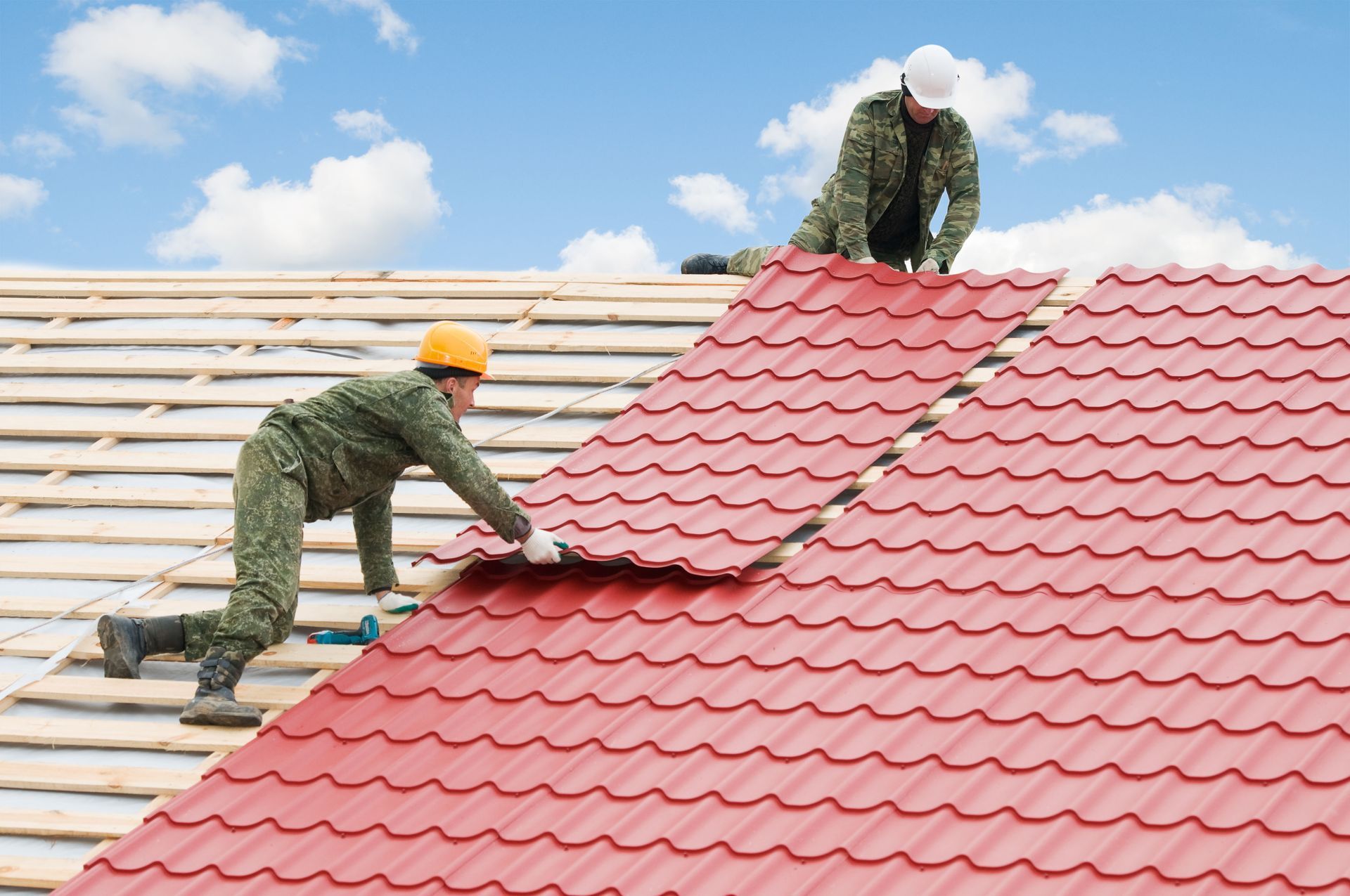
Proper installation is critical to the performance of any roof, and metal roofing is no exception. Installation typically involves specialized techniques, including precise panel alignment, secure fastening systems, and attention to expansion and contraction caused by temperature changes. This process often requires the use of specific tools and materials designed for metal, as well as careful consideration of roof pitch and ventilation. Because of these requirements, working with experienced professionals is essential to avoid issues such as leaks, noise problems, or premature wear that can arise from improper installation.
In some cases, metal roofing can be installed over an existing roof, reducing tear-off costs and minimizing waste. This approach can also shorten project timelines and limit disruption to daily routines. However, this option depends on local building codes, the structural integrity of the existing roof, and the ability to properly secure the new material. A thorough inspection and consultation with a qualified roofing professional are always necessary before proceeding.
Maintenance for a metal roof is generally straightforward. Routine tasks include clearing debris, checking for loose fasteners, and inspecting sealants around penetrations such as vents or skylights. While metal roofs are resistant to many common issues like cracking or rot, they are not entirely maintenance-free. Periodic inspections can catch minor problems early, preventing costly repairs and helping preserve both the appearance and performance of the roof for decades.
Is Metal Roofing Suitable for All Climates?
Climate plays a major role in determining whether metal roofing is a practical choice. In hot climates, its reflective properties help reduce heat absorption, contributing to cooler indoor temperatures. This can be especially beneficial in areas with long, intense summers.
In colder regions, metal roofing performs well under snow and ice. Its smooth surface allows snow to slide off more easily, reducing the risk of heavy accumulation and ice dams. When properly insulated, a metal roof can also help maintain consistent indoor temperatures during the winter months.
Rainy and storm-prone areas also benefit from metal roofing. It provides excellent water shedding and resists damage from high winds when installed correctly. While some people worry about noise during heavy rain or hail, modern systems installed with proper underlayment and insulation significantly reduce sound transmission.
Overall, metal roofing adapts well to a wide range of weather conditions, making it a versatile option for many geographic regions.
Deciding whether
metal roofing is right for you ultimately depends on balancing cost, longevity, aesthetics, and environmental considerations. While the initial investment is higher than some traditional materials, the long-term benefits often outweigh the upfront expense. Its durability, energy efficiency, and growing acceptance in the residential market reflect a shift toward roofing solutions designed for performance and sustainability. By evaluating your climate, budget, and long-term plans, you can determine whether a metal roof aligns with your priorities and provides the value you are seeking. If you need a roof, reach out to the professionals at Mid City Roofing today!