June 12, 2026
A roof serves as one of the most important protective systems of any home. It shields the structure from rain, wind, snow, and extreme temperatures while contributing to energy efficiency and curb appeal. Because of its critical role, a roof replacement is not a project that homeowners should approach without careful planning. The decision involves financial considerations, material selection, contractor evaluation, and scheduling concerns that can affect the success of the project.
Before committing to a roof replacement, it is wise to ask a series of important questions that can help clarify expectations and prevent costly surprises. Understanding the answers to these questions can help homeowners make informed decisions, choose the right roofing professionals, and ensure that their investment provides long-term value. Whether your existing roof is nearing the end of its lifespan or showing signs of significant damage, taking the time to evaluate your options can make the entire roof replacement process smoother and more successful.
Determine Whether a Roof Replacement Is Necessary
Assess Roof Age and Condition
One of the first questions homeowners should ask is whether a complete roof replacement is truly necessary. While some roofing problems can be addressed through repairs, others indicate that the roof has reached the end of its useful life. Understanding the age of the roof is a good starting point. Most roofing materials have expected lifespans, and once a roof approaches or exceeds those limits, replacement often becomes the more cost-effective solution.
Regular inspections can reveal whether widespread wear and deterioration are present. Curling shingles, missing roofing materials, and visible sagging may indicate that repairs alone will no longer provide adequate protection. A professional evaluation can help determine whether investing in a roof replacement is the best course of action.
Identify Signs of Roof Damage
Visible damage is another important indicator that a roof replacement may be needed. Water stains on ceilings, leaks during storms, excessive granule loss, and mold growth can signal underlying roofing issues. Homeowners should pay attention to recurring problems that continue despite previous repairs.
Storm damage can also accelerate roof deterioration. High winds, hail, and falling debris may compromise structural integrity and shorten the roof's lifespan. Understanding the extent of damage helps homeowners determine whether repairs are sufficient or if a complete roof replacement offers better long-term protection.
Schedule a Professional Inspection
Even if damage appears minor, a professional roofing inspection can uncover hidden problems. Experienced roofers can assess ventilation systems, flashing, decking, and moisture-related concerns that may not be obvious from the ground.
An inspection provides valuable information about the current condition of the roof and helps homeowners make decisions based on facts rather than assumptions. Before scheduling a roof replacement, obtaining a thorough inspection can eliminate uncertainty and provide a clear path forward.
Evaluate the Best Timing for a Roof Replacement
Consider Seasonal Weather Conditions
Timing plays an important role in the success of a roof replacement project. Many homeowners wonder when the ideal season is for roofing work. While roofing professionals can perform installations throughout much of the year, weather conditions can influence scheduling, material performance, and project efficiency.
Mild temperatures often create favorable conditions for roofing materials and installation crews. Excessive heat, heavy rain, or snow may complicate the process and potentially cause delays. Discussing local weather patterns with a contractor can help determine the most practical time to schedule a roof replacement.
Consider Contractor Availability
Roofing contractors often experience busy seasons when demand for services increases significantly. Scheduling a roof replacement during peak periods may result in longer wait times and limited availability.
Planning ahead allows homeowners to secure preferred installation dates and avoid unnecessary delays. Asking contractors about their scheduling timelines can help ensure that the project begins when it is most convenient and efficient.
Understand Project Timelines
Homeowners should also ask how long the project is expected to take. According to HomeGuide, most roof replacement projects are completed within one to eight days, depending on factors such as roofing materials, roof size, roof pitch, and the overall scope of work. Understanding the expected timeline helps homeowners prepare for temporary disruptions and coordinate their schedules accordingly.
While unforeseen weather events can occasionally extend the timeline, discussing expectations beforehand can reduce stress and improve communication throughout the roof replacement process.
Compare Roofing Material Options Carefully
Compare Available Roofing Materials
Choosing the right roofing material is one of the most important decisions involved in a roof replacement. Different materials offer varying levels of durability, appearance, maintenance requirements, and cost.
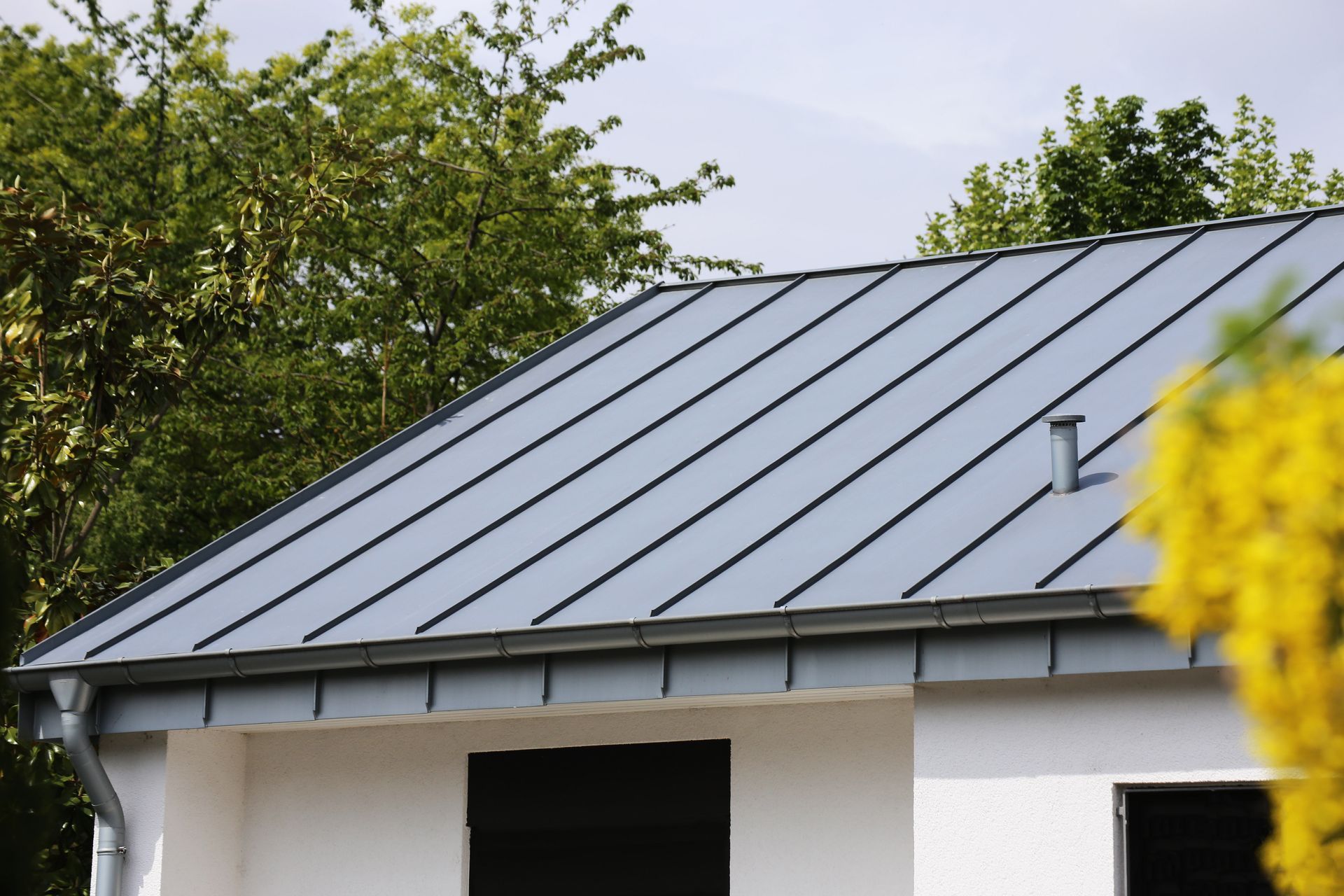
Asphalt shingles remain a popular option because they are affordable and widely available. Metal roofing offers exceptional durability and longevity, while tile and slate provide distinctive aesthetics and long service lives. Homeowners should discuss the advantages and limitations of each material with their roofing contractor before making a final decision.
Evaluate Longevity and Durability
The expected lifespan of roofing materials should be a major consideration during any roof replacement project. While some materials may have a lower initial cost, they may require replacement sooner than premium alternatives.
Durability is especially important in regions that experience severe weather conditions. Roofing materials designed to withstand high winds, hail, and temperature fluctuations may provide better long-term value and reduce future maintenance expenses.
Explore Energy Efficiency Benefits
Modern roofing materials can contribute to improved energy efficiency. Reflective roofing products can reduce heat absorption, helping homes stay cooler during warmer months. Improved insulation and ventilation systems can also support better indoor comfort and lower utility costs.
When planning a roof replacement, homeowners should ask about energy-efficient options that may help reduce ongoing expenses while improving overall home performance.
Establish a Realistic Roof Replacement Budget
Understand Cost Factors
The cost of a roof replacement can vary significantly based on several factors. Roof size, material selection, labor requirements, structural repairs, and geographic location all influence the final project price.
Understanding these variables helps homeowners develop realistic expectations and avoid budget surprises. Asking for a detailed estimate can provide transparency and clarify exactly what is included in the project scope.
Compare Multiple Estimates
Obtaining estimates from several contractors allows homeowners to compare pricing, services, and proposed solutions. The lowest bid is not always the best value. Instead, homeowners should evaluate the quality of materials, workmanship standards, warranty coverage, and overall reputation.
Comparing multiple proposals helps ensure that the selected roof replacement contractor offers both competitive pricing and dependable service.
Verify Contractor Qualifications Thoroughly
Check Licensing and Experience
The contractor selected for a roof replacement can have a major impact on the quality and longevity of the finished roof. Homeowners should verify that contractors possess appropriate licensing, insurance, and industry credentials.
Experience is equally important. Contractors with extensive roofing backgrounds are often better equipped to handle unexpected challenges and deliver consistent results. Asking about years in business and previous projects can provide valuable insight into a company's capabilities.
Review References and Customer Feedback
Past customer experiences can reveal a great deal about a contractor's professionalism and reliability. Reading reviews and requesting references allows homeowners to evaluate communication, workmanship quality, and overall customer satisfaction.
A reputable contractor should be willing to provide examples of completed roof replacement projects and references from previous clients. Taking the time to research your contractor's reputation can help homeowners avoid potential problems.
Scheduling a roof replacement involves more than simply choosing a contractor and setting a date. By asking thoughtful questions about roof condition, project timing, material options, budgeting, contractor qualifications, and warranty coverage, homeowners can make informed decisions that protect their investment. A carefully planned
roof replacement can improve a home's appearance, increase durability, and provide reliable protection for many years to come. Taking the time to understand the process before work begins is one of the best ways to ensure a successful outcome. If you're looking for a reputable roofing company, reach out to the team at Mid City Roofing today!