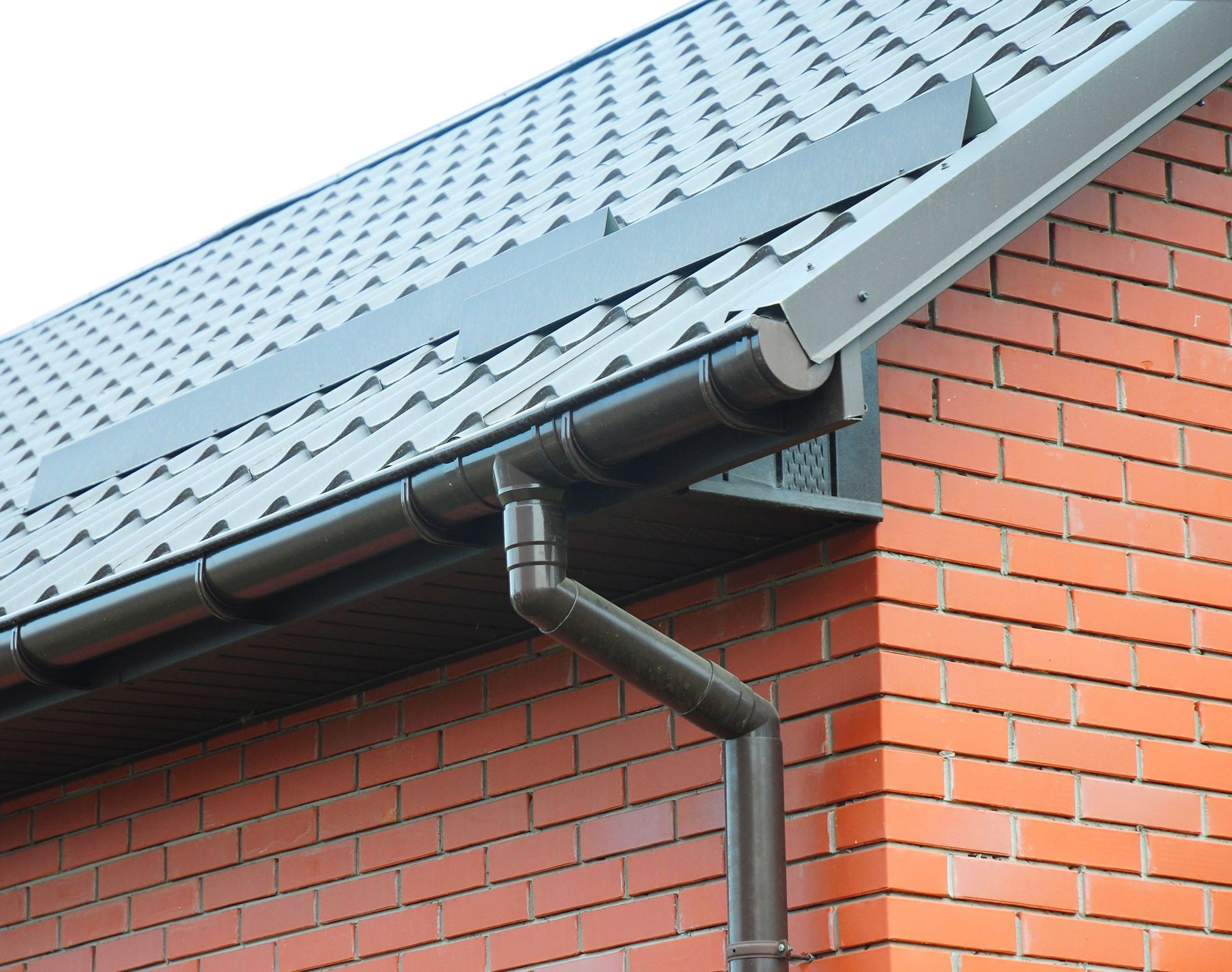
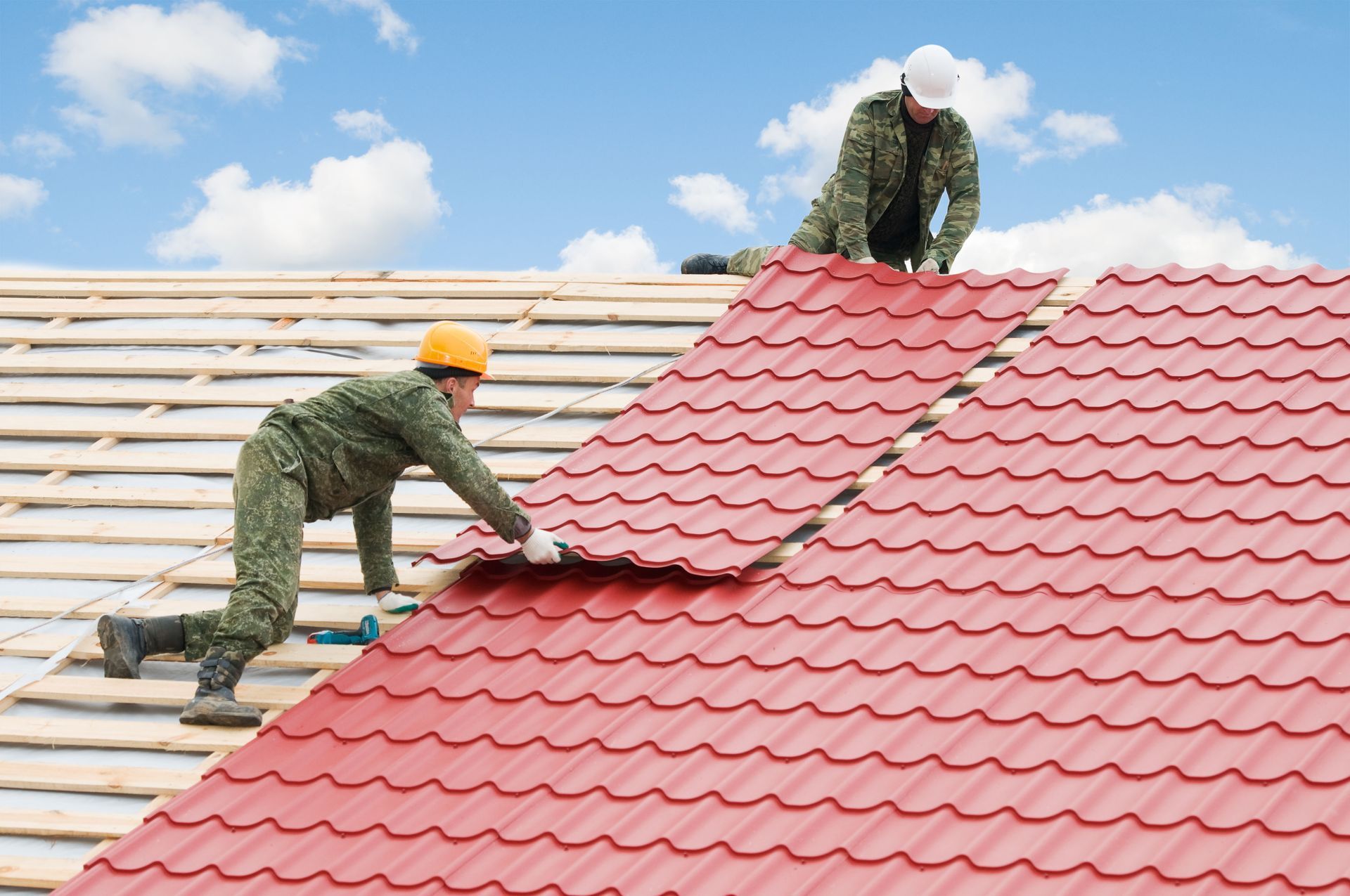
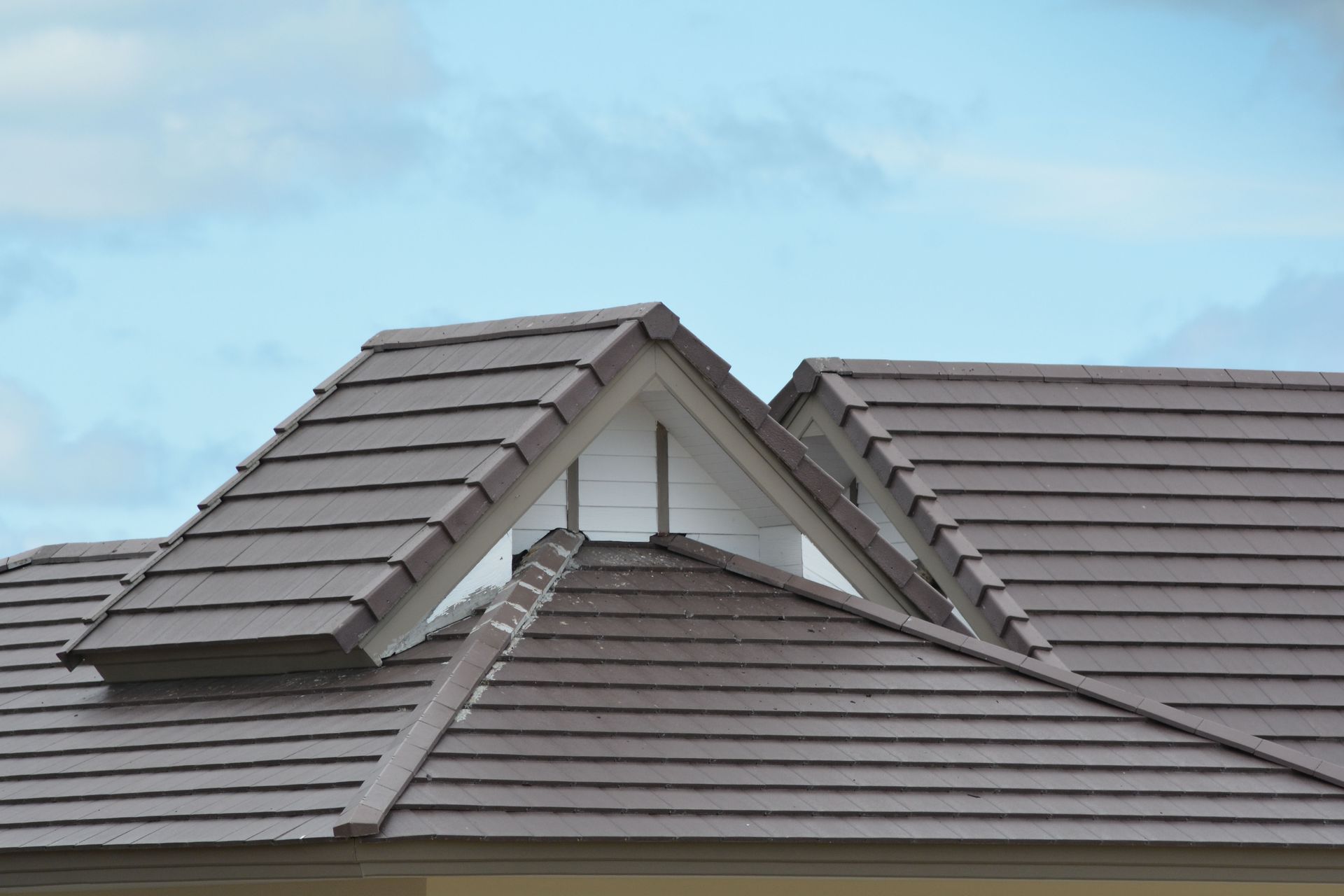
The evolution of modern construction has led homeowners to seek materials that prioritize longevity and efficiency above all else. Among the various options available in the current market, few materials offer the comprehensive advantages found in contemporary steel and aluminum systems. Choosing a high-quality shield for a home involves balancing aesthetic appeal with structural integrity, and this is where metal roofing truly excels. When we look at the history of residential construction, we see a shift from temporary, organic materials toward permanent, engineered solutions that can withstand the test of time and the unpredictability of nature.
Evaluating Structural Longevity
Choosing a material that withstands the passage of time is the primary concern for most property owners. Conventional materials often succumb to the elements within a couple of decades, requiring frequent replacement and intensive maintenance. In contrast, metallic systems are engineered to last a lifetime. These surfaces do not rot, crack, or warp under the pressure of fluctuating temperatures. Because the base materials are treated with advanced coatings, they resist the oxidation that once plagued older versions of the technology. This longevity is not just a matter of convenience; it is a financial strategy. By installing a roof once, the homeowner avoids the compounding costs of multiple replacements over the span of fifty or sixty years.
This inherent durability means that once the installation is complete, the homeowner rarely has to consider a full replacement again. The long-term stability of metal roofing provides a sense of security that is difficult to match with synthetic or organic alternatives. By investing in a material that refuses to degrade, residents protect the internal framework of their homes from moisture infiltration and structural fatigue.
Optimizing Thermal Efficiency
The impact of a home’s exterior on its internal climate is profound. Traditional dark surfaces tend to absorb heat, radiating that energy downward into the living spaces. Modern metallic panels function differently by utilizing reflective properties to manage temperature. According to the U.S. Dept of Energy metal roofs can reflect enough solar radiation to lower air conditioning costs by 20–40%. This specific benefit is a game-changer for those living in warmer climates where cooling expenses often dominate the monthly budget. The ability to bounce solar energy away from the structure prevents the "oven effect" often found in attics during the summer months.
Beyond just reflection, these systems often incorporate integrated ventilation gaps that further prevent heat transfer. This thermal management reduces the strain on mechanical cooling systems, leading to a more comfortable indoor environment during the peak of summer. The efficiency of metal roofing makes it a cornerstone of sustainable building practices, as it addresses energy consumption at the source. By keeping the attic space cooler, the entire building envelope operates with greater harmony and less waste. This efficiency also extends into the winter months.
Resisting Extreme Weather
Nature presents a variety of challenges to any structure, from heavy snowfall to high-velocity winds. Metallic surfaces are uniquely suited to handle these burdens. Because the panels are typically interlocked and fastened securely to the roof deck, they offer superior uplift resistance during intense storms. In regions prone to heavy winters, the smooth surface allows frozen precipitation to slide off easily, preventing the dangerous accumulation of weight that can lead to structural collapse. Many older homes struggle with ice dams, which occur when heat escapes through the roof and melts snow, only for it to refreeze at the eaves.
Furthermore, these materials are non-combustible. In areas where wildfires are a legitimate threat, having a fire-resistant barrier can be the difference between a total loss and a minor incident. The impact resistance of high-gauge steel also ensures that hail or falling debris rarely causes more than cosmetic blemishes, whereas other materials might suffer punctures or shattering.
Supporting Environmental Sustainability
The environmental footprint of a building is an increasingly important consideration for the modern homeowner. Many common materials contribute significantly to landfill waste because they must be replaced every few years. Metallic systems, however, are frequently composed of recycled content. At the end of their exceptionally long lifespan, they are entirely recyclable, entering a circular economy rather than a waste stream.
Installing metal roofing is a proactive step toward a greener lifestyle. Because these systems are often lightweight, they can sometimes be installed directly over existing surfaces, which eliminates the need for messy tear-offs that clog local landfills. This reduced weight also puts less stress on the home’s foundation and walls, which can be particularly beneficial for older structures that may have settled over time. When combined with their energy-saving capabilities, these environmental benefits make metallic options the premier choice for those looking to minimize their ecological impact.
Enhancing Aesthetic Versatility
The visual appeal of a property is a major factor in its overall value and "curb appeal." Modern manufacturing allows for an incredible range of styles, colors, and textures. Homeowners are no longer limited to industrial-looking corrugated sheets. Instead, they can choose panels that mimic the appearance of traditional clay tiles, wood shakes, or slate. This versatility ensures that the material complements any architectural style, from historic Victorian homes to sleek, contemporary designs. Whether the goal is to blend in with a rustic neighborhood or stand out with a bold, modern statement, there is a metallic profile that fits the vision perfectly.
The pigments used in these systems are often infused with specialized resins that resist fading and chalking. This means the vibrant color chosen on day one will remain striking for years to come. The clean lines and crisp profiles of metal roofing add a sophisticated touch to any neighborhood, often increasing the resale value of the property. It is a rare marriage of form and function where the most practical choice also happens to be the most visually stunning.
Simplifying Routine Maintenance
Many homeowners dread the seasonal chores associated with keeping a house in good repair. Some materials require constant cleaning to prevent moss growth or chemical treatments to ward off insects and rot. Metallic surfaces are naturally resistant to these issues. They do not provide a hospitable environment for biological growth, and their slick surfaces make it difficult for debris to take root. This is especially advantageous for homes located in wooded areas where falling needles, leaves, and damp shade typically accelerate the decay of organic roofing materials.
Maintenance usually involves nothing more than a quick rinse with water to remove dust or fallen leaves. Because the material does not absorb water, there is no risk of freeze-thaw cycles causing the surface to heave or break apart. This "set it and forget it" nature of metal roofing appeals to busy individuals who prefer to spend their weekends enjoying their home rather than repairing it. The peace of mind that comes from a low-maintenance exterior is a luxury that pays dividends in both time and money.
The transition to a metallic system represents a move toward smarter, more resilient housing. By prioritizing materials that offer extreme durability, massive energy savings, and minimal environmental impact, property owners are securing their investments for the future. The combination of modern engineering and timeless protection makes this the gold standard for residential shielding. If you are ready to upgrade your home with metal roofing, contact Mid City Roofing today to explore your options.